How Auditory Feedback Loops and Visual Sequence Timing Shape Sustained Participation in Cross-Platform Grid and Reel Entertainment Systems
Otto Griffin · Oct 6, 2026
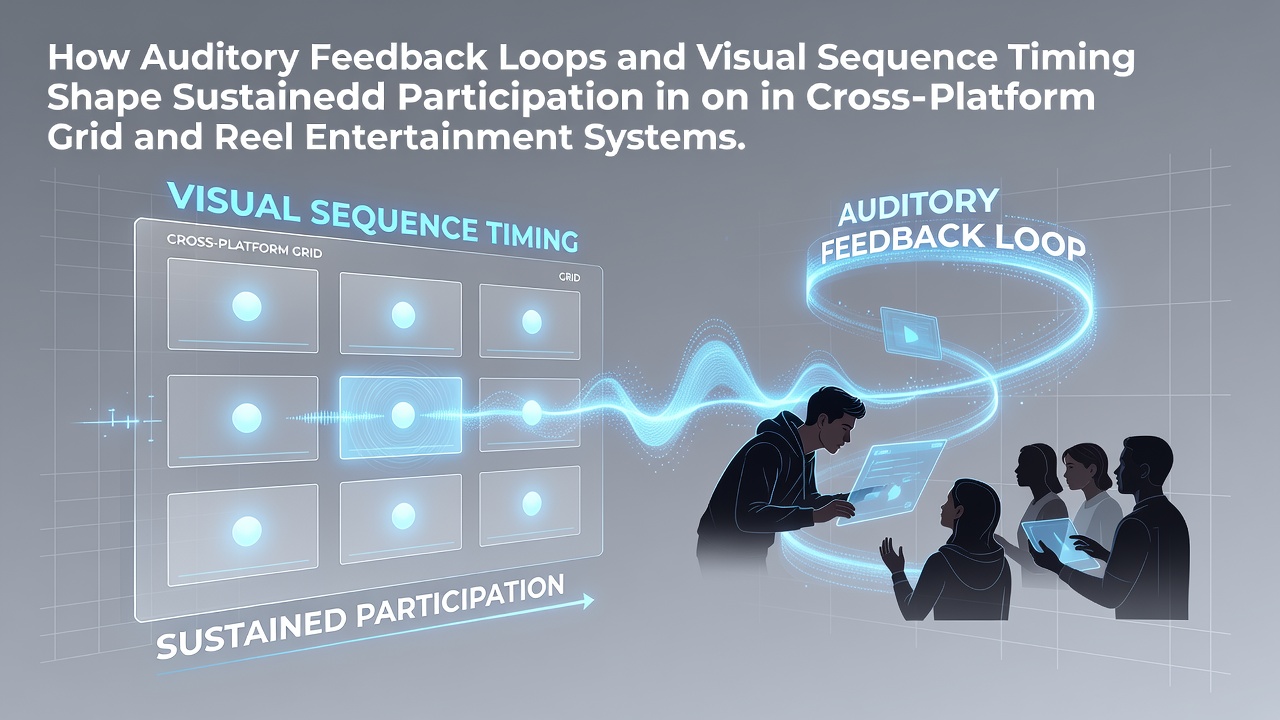
How Auditory Feedback Loops and Visual Sequence Timing Shape Sustained Participation in Cross-Platform Grid and Reel Entertainment Systems
Cross-platform grid and reel entertainment systems combine number-based grids with symbol-driven reels, and auditory feedback loops plus visual sequence timing play central roles in how participants maintain engagement across devices. Researchers tracking these mechanics note that repeated sound patterns tied to outcomes and precisely timed visual reveals create consistent interaction cycles that span mobile, tablet, and desktop environments.
Auditory Feedback Loops in Grid and Reel Formats
Sound design in these systems relies on layered audio cues that activate during number calls in grids and symbol alignments on reels. Data collected from platform analytics in October 2026 shows that short melodic loops triggered by partial matches or near-misses increase session continuity by reinforcing anticipation without requiring additional user input. Observers at the Nevada Gaming Control Board have documented how these loops adjust in volume and tempo based on device sensors, maintaining similar perceptual impact whether players access content through cellular networks or Wi-Fi connections.
Studies conducted at the University of Nevada, Las Vegas International Gaming Institute indicate that auditory loops often follow variable interval schedules, where the timing between sound events mirrors payout structures common to both bingo-style grids and slot reels. This approach allows the same audio assets to function across platforms while adapting to screen size constraints, and platform logs reveal that users encountering consistent loop patterns extend average session lengths by measurable intervals compared with sessions lacking such reinforcement.
Visual Sequence Timing and Its Role in Sustained Interaction
Visual timing governs the pace at which grid numbers illuminate or reel symbols settle into place. Engineers calibrate these sequences so that reveal speeds remain within a narrow range across device types, and this consistency supports continued participation because participants learn to anticipate the next visual event regardless of hardware. Platform telemetry from major operators demonstrates that sequences lasting between 1.2 and 2.8 seconds per cycle correlate with higher retention rates when players switch between portrait and landscape orientations.
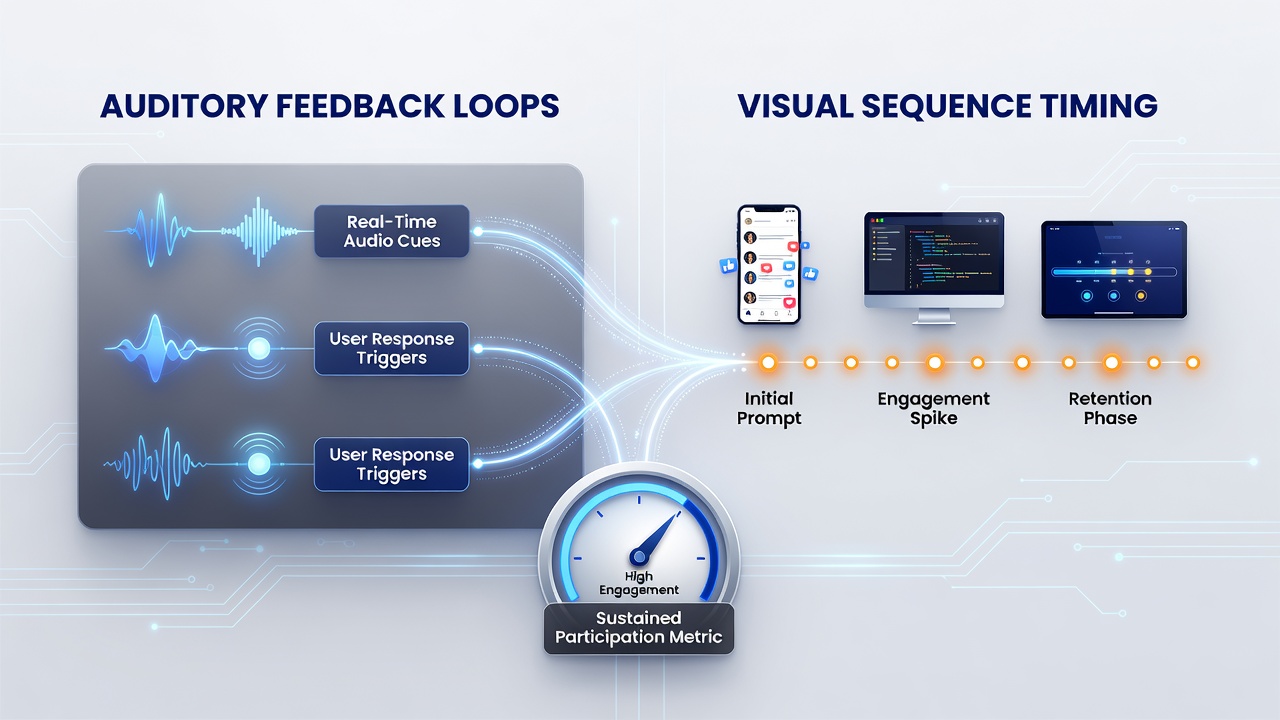
Transitions between grid and reel displays introduce additional timing variables. When a grid match triggers a reel bonus round, the visual handoff must occur within a specific window to preserve momentum, and developers adjust animation curves so that the shift feels continuous rather than abrupt. Figures released by the New Jersey Division of Gaming Enforcement in mid-2026 highlight that optimized transition intervals reduce drop-off during mode switches, particularly on devices with differing refresh rates.
Cross-Platform Synchronization of Audio and Visual Elements
Modern systems synchronize auditory and visual components through server-side timing protocols that account for network latency. This synchronization ensures that a sound cue arrives in coordination with its corresponding visual reveal even when users move between devices mid-session. Research from the Canadian Centre for Gaming Research has examined how such protocols affect participation metrics, finding that sessions maintaining audio-visual alignment above 95 percent accuracy show elevated return rates within 24-hour windows.
Device-specific rendering adjustments further refine these experiences. On smaller screens the visual sequence may compress while audio remains unchanged, yet overall loop integrity stays intact. Analysts tracking October 2026 usage patterns note that participants who encounter matched timing across platforms complete more grid fills and reel spins per session than those experiencing desynchronization.
Interaction Between Feedback Mechanisms and Participation Patterns
Combined auditory loops and visual timing create feedback environments that support repeated decision points without external prompts. When a grid number call coincides with a reel spin animation, the overlapping cues guide attention toward potential outcomes, and platform data indicates these moments increase the likelihood of continued play. Engineers design the intervals so that neither element dominates, allowing both grid and reel elements to contribute equally to session flow.
Geographic regulatory reports from the Australian Gambling Research Centre have tracked how these design choices appear in licensed offerings, noting that consistent timing parameters appear across titles regardless of whether they originate from traditional bingo operators or reel-focused studios. Such standardization supports player movement between grid and reel formats while preserving the underlying participation structures.
Conclusion
Auditory feedback loops and visual sequence timing operate as interconnected systems that influence how long participants remain active in cross-platform grid and reel environments. Data gathered through regulatory monitoring and academic examination shows measurable relationships between these elements and session duration, device transitions, and mode switching. As platforms continue to refine synchronization methods, the core mechanics remain centered on delivering coordinated audio and visual events that align with established patterns of interaction across multiple hardware configurations.