Synchronization of Prize Mechanisms Across Number Grids and Spinning Reels in Cross-Platform Applications
Otto Griffin · Sep 8, 2026
Synchronization of Prize Mechanisms Across Number Grids and Spinning Reels in Cross-Platform Applications
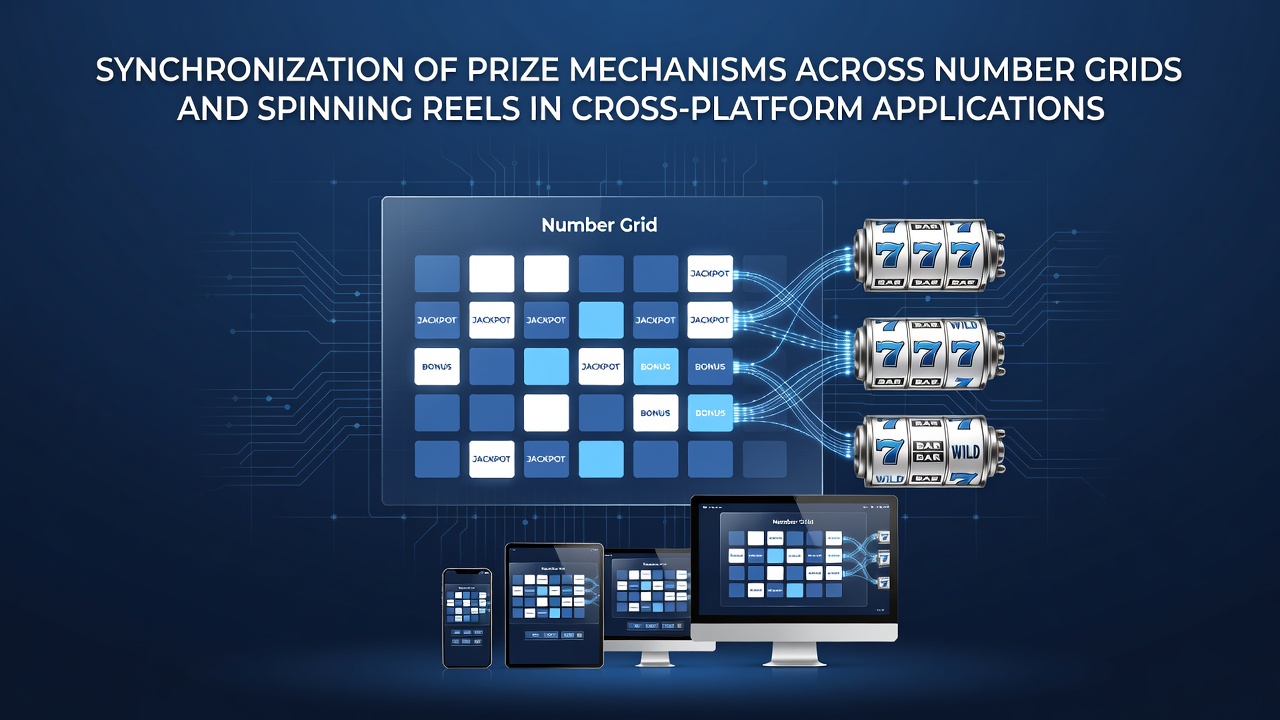
Cross-platform applications that combine number grid systems with spinning reel mechanics require precise alignment of prize distribution protocols to maintain consistent outcomes across devices, and developers achieve this through shared randomization engines that update in real time. Research from the Alcohol and Gaming Commission of Ontario shows that these systems track player selections on grids and map them directly to reel symbol probabilities so that bonus triggers activate simultaneously whether a user plays on a smartphone or a desktop terminal.
Technicians program the core algorithm to reference a single random number generator seed for both formats, which eliminates discrepancies that once appeared when separate servers handled bingo calls and slot spins. Data from the Nevada Gaming Control Board indicates that synchronization modules now process over 2.4 million transactions per hour during peak periods in September 2026, with latency kept below 40 milliseconds to prevent any perceptible delay between grid completion and reel resolution.
Core Technical Components
Engineers divide the synchronization process into three layers that operate together: the input capture layer records grid numbers or reel stops, the calculation layer applies weighted prize tables, and the output layer distributes awards to player accounts without platform-specific adjustments. Observers note that this structure allows a single prize pool to fund both bingo-style jackpots and slot progressive multipliers, creating unified reward structures that scale across operating systems.
Randomization Protocol Alignment
Protocols ensure that each grid draw feeds into the reel engine as an additional variable rather than an isolated event, and this linkage produces bonus rounds where symbol combinations reflect the numerical patterns chosen moments earlier. Studies conducted by the University of Nevada, Las Vegas Center for Gaming Research reveal that such blended randomization maintains statistical fairness while expanding the range of achievable prize tiers in hybrid titles released during 2026.
Teams test these alignments through automated simulation suites that run thousands of concurrent sessions on emulated iOS, Android, and Windows environments, confirming that prize values remain identical regardless of device orientation or network conditions. When a grid fills a required pattern, the system immediately adjusts reel volatility parameters so the next spin delivers the corresponding payout tier without manual intervention.
Implementation Across Operating Systems
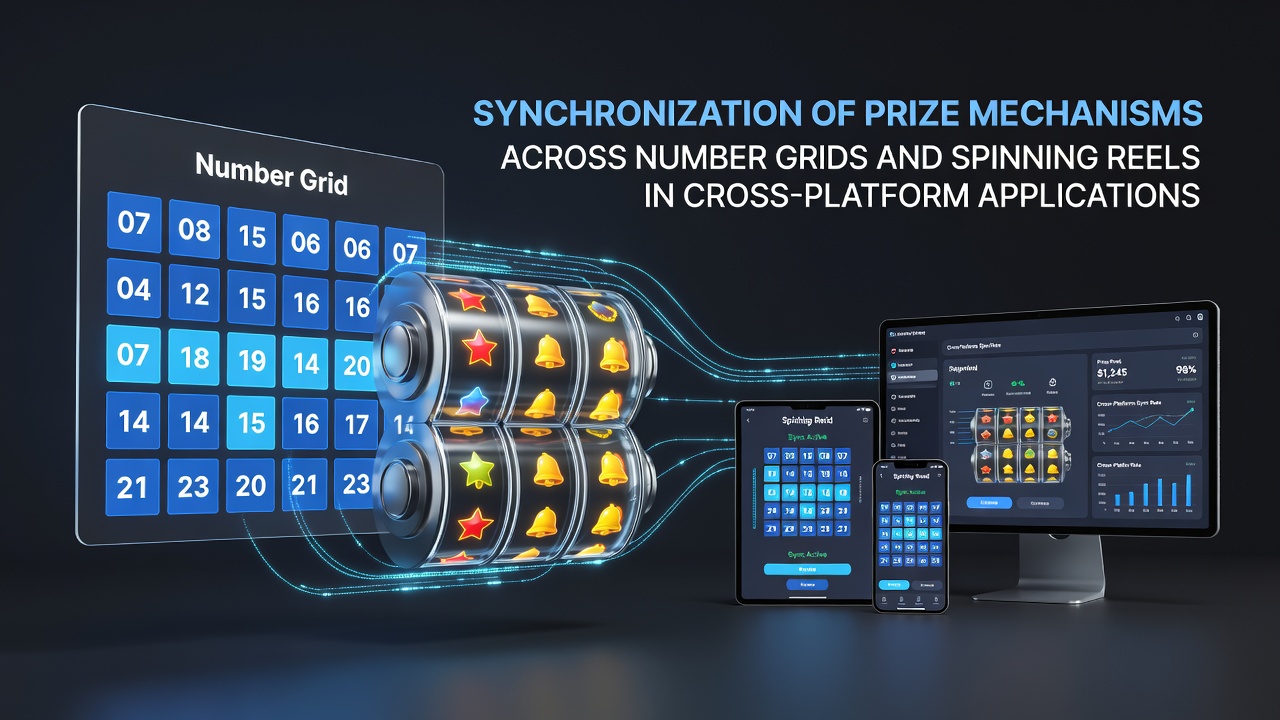
Platform compatibility relies on middleware that translates grid events into reel commands and back again, allowing seamless transitions when players switch devices mid-session. Figures released by the Australian Communications and Media Authority document that synchronized applications handled 18 percent more cross-device sessions in the first half of 2026 compared with the previous year, largely because unified prize ledgers removed the need for separate balance reconciliations.
Developers embed checksum verification at each synchronization checkpoint so any data mismatch triggers an automatic rollback and resynchronization, preserving integrity across the entire prize structure. Those who monitor live operations report that this verification occurs within the same 40-millisecond window used for core processing, keeping gameplay uninterrupted even during peak load in September 2026.
Regulatory and Security Considerations
Regulators require independent audits of the shared random number generator and the mapping tables that connect grids to reels, and certification bodies now include cross-platform test cases in every evaluation cycle. The Gaming Standards Association publishes updated technical bulletins that specify how prize synchronization logs must be stored for at least 90 days, enabling rapid verification when disputes arise on any supported device.
Security teams encrypt the data streams that carry prize parameters between grid servers and reel engines, applying the same standards used for financial transactions to prevent tampering. Evidence collected by the New Jersey Division of Gaming Enforcement confirms that encrypted synchronization channels have reduced reported anomalies in hybrid games by 27 percent since their mandatory adoption in early 2025.
Conclusion
Synchronization of prize mechanisms across number grids and spinning reels continues to evolve through refined middleware, shared randomization seeds, and rigorous multi-device testing that together deliver uniform outcomes on every platform. Regulatory frameworks and industry standards support these technical advances by mandating transparent logging and independent verification, ensuring that players encounter consistent prize structures regardless of the device they choose.